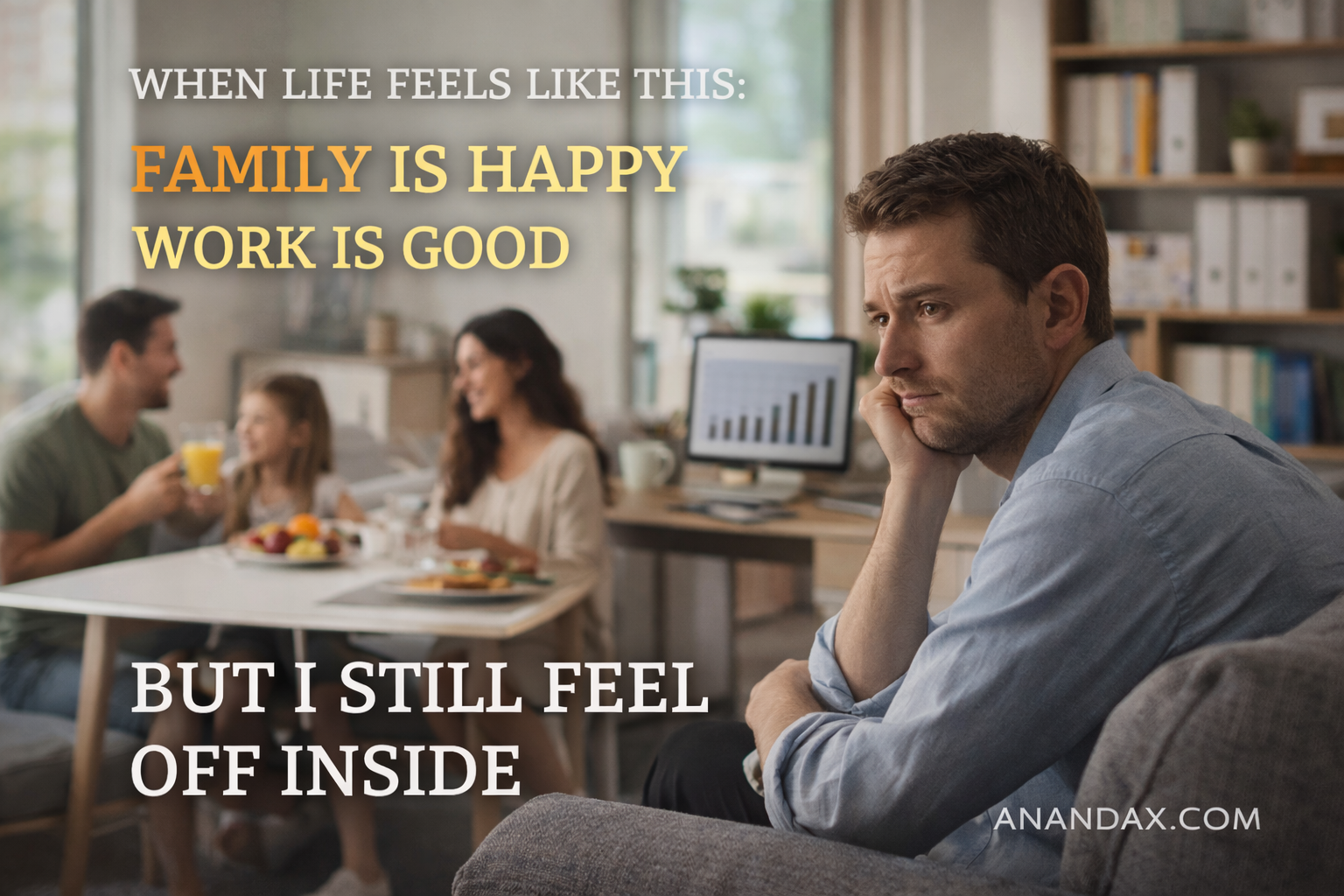
Overthinking doesn’t always feel like a problem.
Often, it feels like responsibility, intelligence, or caution.

The Hidden Cost of Overthinking You Never Noticed
You replay conversations.
You analyze decisions.
You try to anticipate outcomes.
Yet beneath this mental activity, there is a quiet exhaustion — a sense that life feels heavier than it should.
Overthinking doesn’t just steal peace.
It slowly drains vital energy.
Why Overthinking Feels Necessary
Overthinking often begins as self-protection. The mind tries to prevent mistakes, rejection, or uncertainty by staying alert.
It believes:
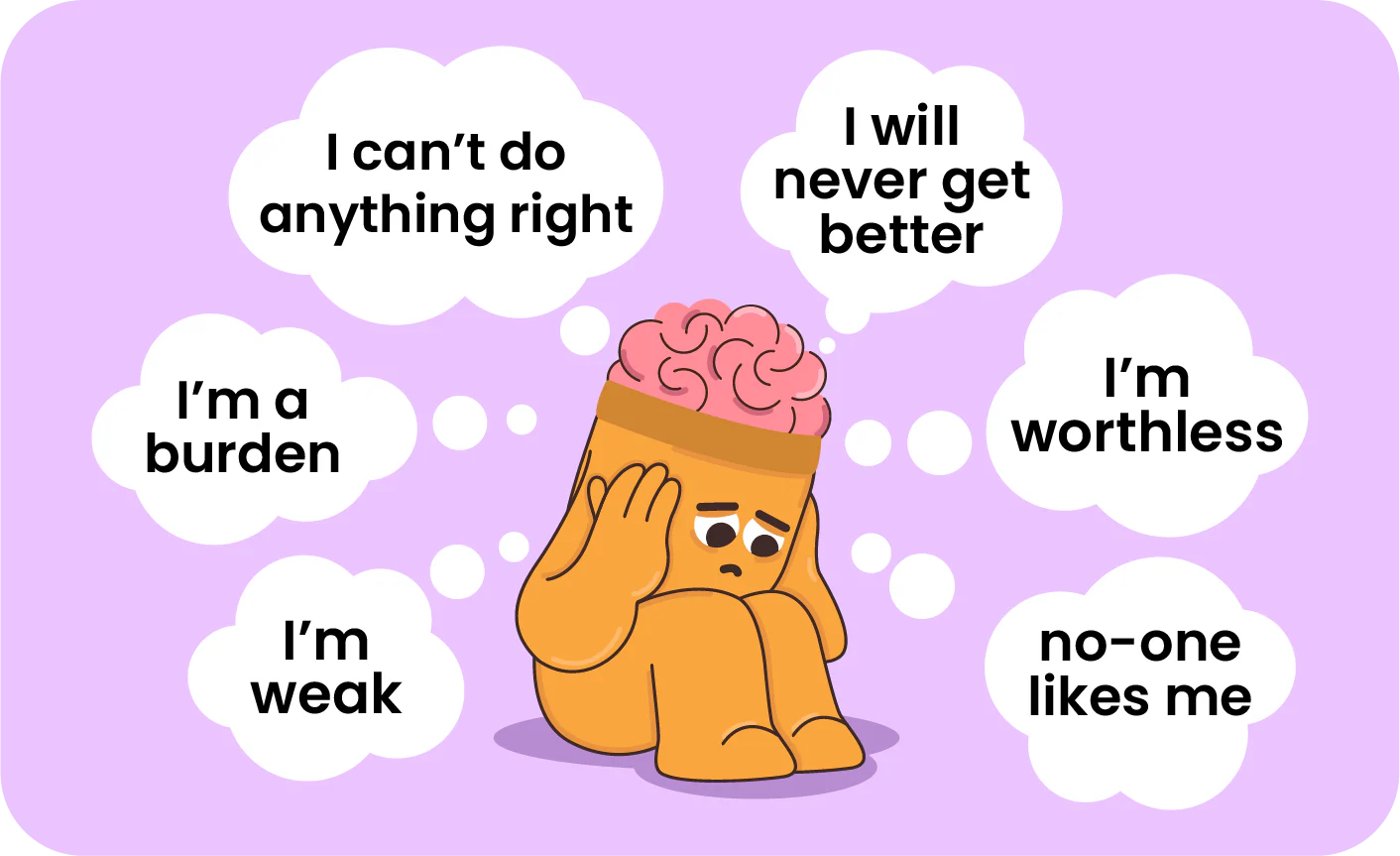
“If I think enough, I’ll be safe.”
But safety created through constant thinking is fragile. The mind never finishes its job. There is always one more possibility to consider, one more angle to examine.
This keeps the nervous system in a low-level state of tension — not intense enough to notice, but persistent enough to tire you.
What Most People Miss About Overthinking
Most people see overthinking as a mental habit.
In reality, it is an emotional pattern.
Overthinking is often a response to:
- Fear of uncertainty
- Fear of making the wrong choice
- Fear of losing control
Trying to stop overthinking with logic doesn’t work, because the root is not logic — it is unease.
Until the unease is acknowledged, the thinking continues.
The Hidden Cost Nobody Talks About
Overthinking doesn’t only consume time. It quietly affects how life feels.
It:
- Reduces enjoyment in simple moments
- Creates mental fatigue without visible effort
- Delays action through constant evaluation
- Weakens trust in intuition
Over time, you may notice that even good things feel less satisfying. The mind is present, but you are not.
This is the cost most people never name.
The Shift That Changes Everything
Freedom from overthinking doesn’t come from stopping thoughts.
It comes from changing your relationship with them.
Instead of asking:
“Is this thought correct?”
Try noticing:
“This is a thought, not a command.”
The moment a thought is seen rather than followed, its grip loosens. Awareness introduces space — and in that space, calm returns naturally.
You don’t silence the mind.
You stop obeying every thought.
A Simple Practice to Break the Loop
When you notice overthinking:
Pause.
Gently name it: “Thinking.”
Bring attention to something physical — your breath, your feet, or the room around you.
Stay there for a few moments.
This shifts attention from mental activity to present-moment awareness. The loop weakens without effort.
Do this repeatedly. Over time, overthinking loses its authority.
Ananda-X Reflection
Overthinking is not intelligence gone wrong.
It is awareness not yet grounded.
You don’t need to remove thoughts to find peace.
You need to stop letting them run your inner world.
At Ananda-X, we guide this shift — from mental dominance to inner clarity — so life feels lighter, simpler, and more alive.
👉 If this resonates, explore Ananda-X practices that help you move from mental loops to natural clarity.